

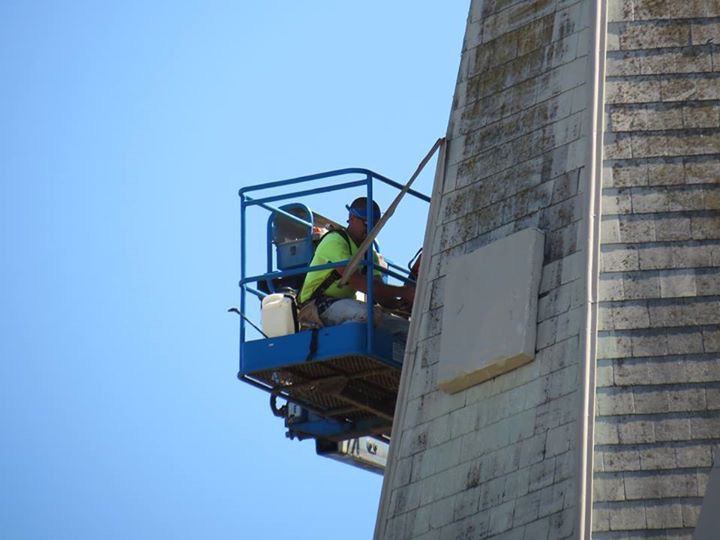
If your building has been around for a few decades, there’s a good chance asbestos is part of its history somewhere. It was a common ingredient in roofing materials for a long time, and plenty of older roofs across Wisconsin still have it today. That’s not a reason to panic. It is a reason to know what you’re working with before any repair or replacement gets started. Understanding what asbestos is, where it tends to show up, and how it’s handled can save you a lot of guesswork and keep everyone on the job safe.
What Asbestos Is and Where It Came From
Asbestos is a naturally occurring mineral that was valued for being tough, fire-resistant, and inexpensive. Those qualities made it a go-to additive in construction for much of the 20th century. In roofing, it showed up in more than just shingles. It was worked into adhesives, coatings, felts, flashing, sealants, underlayment, and other materials most people never think twice about.
Asbestos was used in many roof shingles prior to 1980, and it stayed common in building products well into the 1970s before health concerns began to change how it was used. If your roof or building dates back to that era or earlier, asbestos-containing materials are a real possibility.
How to Tell If Your Property Might Have It
Here’s the honest answer: you can’t tell just by looking. Asbestos fibers are microscopic, and the materials that contain them look no different from the ones that don’t. It can only be positively identified with a special type of microscope in a lab.
That’s why the age of your building is usually your best starting clue. If it was built before the early 1980s, the odds go up. The only way to know for sure is to have a sample taken and analyzed, and that sampling should be handled by a certified professional rather than a do-it-yourself effort. Disturbing the material to grab a sample is exactly the kind of thing that can release fibers. When in doubt, the safest move is to treat the material as if it contains asbestos until testing proves otherwise.
What Actually Makes It Dangerous
Asbestos isn’t dangerous simply by existing. The risk comes from the fibers, and those fibers only become a problem when the material is disturbed. Intact, undisturbed asbestos sealed into a roofing product is often fine to leave alone.
The trouble starts when that material gets cut, broken, drilled, weathered, or torn out. That’s when fibers can be released into the air, and that’s when there’s a genuine risk of exposure. It’s also why asbestos matters so much during roof work in particular. A repair or a tear-off is, by definition, disturbing the roof, so a material that sat there harmlessly for decades can turn into a hazard the moment someone starts working on it without the right precautions.
A few situations that call for a closer look before any work begins:
- Roofing materials that are cracked, crumbling, or visibly deteriorating
- A building that predates the 1980s and hasn’t had its roof replaced since
- Any planned repair, tear-off, or renovation that will disturb older roofing
- Storm or water damage to aging roof components
- Old patch jobs where the materials underneath are a mystery
What Removal Actually Involves
If testing confirms asbestos and it needs to come out, this is not a job to hand to just anyone. Both major and minor repairs involving asbestos removal have to be done by someone trained in safe handling methods. The whole point is keeping those fibers controlled so they aren’t released during the work.
In practice, that means proper containment, the right protective equipment, careful removal that keeps materials as intact as possible, and correct disposal that follows the rules for asbestos waste. It’s methodical work, and it’s regulated for good reason.
This is also why certification matters. A certified contractor has the training and credentials to do the work safely and legally. As a certified asbestos removal company for roofing in Wisconsin, we’re able to walk property owners through the entire process, from that first “I think we might have asbestos” moment to a finished roof you don’t have to think about.
If you’re dealing with an older roof and you’re not sure what’s underneath it, we’re happy to help you figure out the next step. Reach out to Van De Hey Refined Roofing at 920.532.4631, and we’ll talk through your options.

 4065 Old Car Ct De Pere, WI 54115
Leave a Reply
You must be logged in to post a comment.