

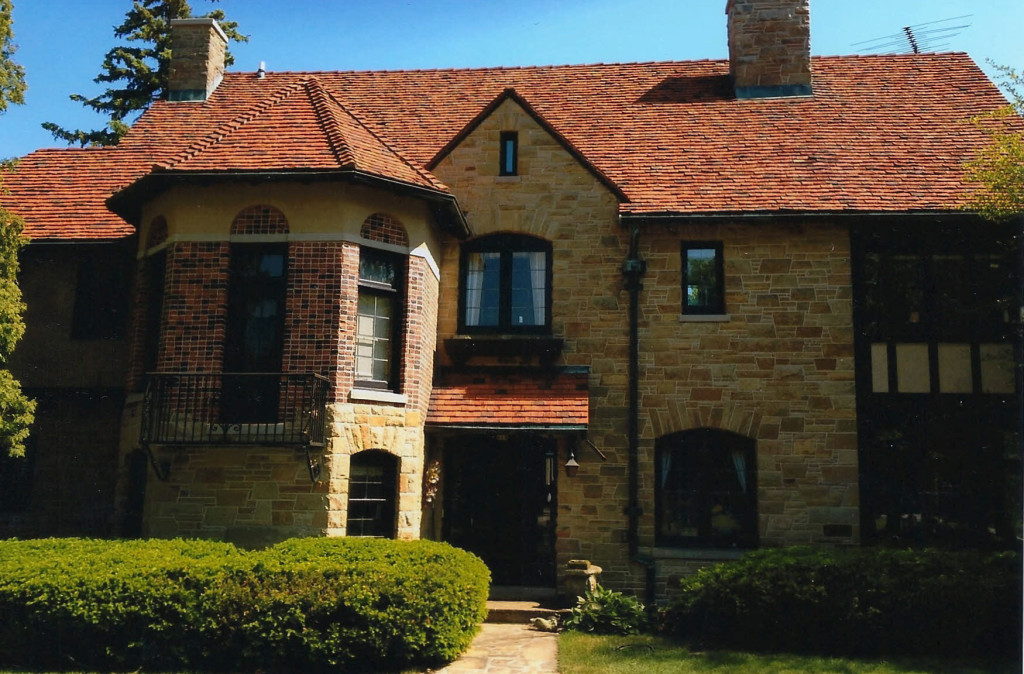
When it comes to roof concerns in Wisconsin, winter tends to dominate the conversation. Heavy snow, ice buildup, and the constant temperature swings between bitter cold and brief warm days are all reasons for that. However, summer heat deserves attention too, particularly for property owners with clay or concrete tile roofs. The good news is that tile is one of the most capable roofing materials available for handling heat and everything else Wisconsin’s climate throws at it. Concrete and clay tile rank among the three longest-lasting roof types on the market. Here is a closer look at what summer heat does to these materials and why tile continues to be a smart long-term investment.
Tile Roofs and Summer Heat
Clay and concrete tile roofs are well-suited for heat exposure, and that is one of the qualities that sets them apart from standard roofing materials.
Clay tile undergoes a kiln firing process during manufacturing that subjects it to extreme temperatures before it ever reaches your home. By the time it is installed on your roof, a hot Wisconsin summer presents very little challenge to the material.
Concrete tile works a little differently. It is denser and heavier than clay, which means it absorbs more heat throughout the day. It is a characteristic of the material rather than a drawback. When you compare it to asphalt shingles, it still performs significantly better in warm conditions across the board.
One of the standout qualities of tile roofing when it comes to heat is how it handles airflow. The shape of the tile creates a gap between itself and the roof deck below, and air moves through that space continuously. The circulation plays a big role in reducing how much heat makes it into your home. Tile roofs are excellent insulators with low heat transfer, keeping your home cooler in summer and warmer in winter, which cuts your energy costs in a meaningful way. It is one of those benefits that tends to become more apparent the longer you have a tile roof on your home.
What clay and concrete tile have in common is that they simply do not break down the way that some other roofing materials do under heat exposure. They will not fade, curl, or rot from sun and heat. When you look at everything a Wisconsin roof faces over its lifetime, summer heat is one of the more straightforward conditions they handle.
Tile vs. Asphalt Shingles in the Heat
Clay and concrete tile handle heat in a way that asphalt shingles simply cannot match. Asphalt is the most widely used roofing material out there, but it has real limitations when temperatures climb. It absorbs a significant amount of heat, can blister and warp with repeated sun exposure, and the granules that protect the surface tend to loosen over time in the heat, which gradually shortens the life of the roof.
Tile roofing is a completely different story. Clay and concrete hold their shape, maintain their appearance, and continue performing the way they were designed to. On top of that, tile roofs offer a level of durability that goes well beyond just heat resistance. They stand up to heavy snow loads, resist hail damage, and hold firm in high winds. They are also low-maintenance compared to other materials. A lifespan of 50 years or more for concrete and 50 to 70 years or beyond for clay means you are not looking at the kind of repeated replacement cycle that comes with asphalt. When you look at the full picture, tile is simply a better-looking, better-performing roof.
Put Your Roof in the Right Hands
Van De Hey Refined Roofing has been serving homeowners and property owners across Wisconsin for years. If you have questions about your tile roof or are ready to make an investment that will last a lifetime, give us a call or contact us through our website today. We serve the Fox Valley, Appleton, Oshkosh, Madison, Green Bay, De Pere, Milwaukee, Waukesha areas, and more.


 4065 Old Car Ct De Pere, WI 54115
Leave a Reply
You must be logged in to post a comment.